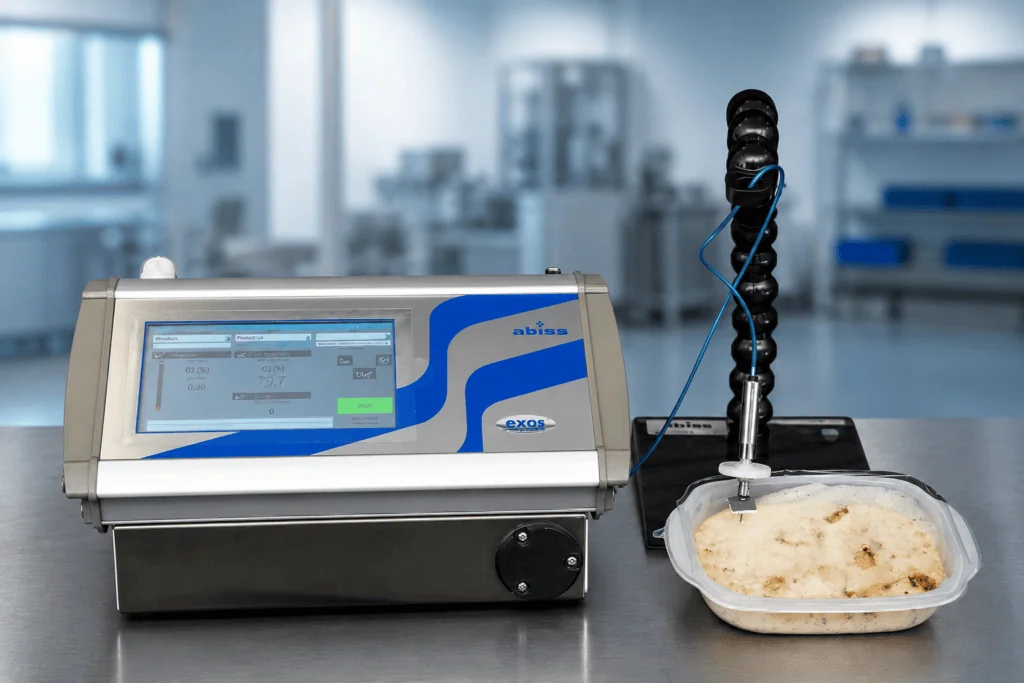
Package Seal Testing for Food Packaging Quality
Package seal testing is an essential part of food packaging quality control. A strong, consistent seal helps maintain product freshness, protect modified atmospheres, and prevent contamination throughout distribution and storage. Even minor seal defects can shorten shelf life and increase food waste.
Why Package Seal Testing Matters
The package seal is often the weakest point of any food package. If the seal fails, oxygen, moisture, and contaminants can enter the pack, reducing product quality and potentially compromising food safety.
Regular package integrity testing helps food manufacturers verify packaging performance before products leave the production line.
Common Causes of Seal Failure
Seal failures can occur for many reasons, including:
- Incorrect sealing temperature
- Insufficient sealing pressure
- Contamination within the seal area
- Damaged packaging materials
- Equipment wear and poor maintenance
Even small variations in the sealing process can result in inconsistent package quality.
Package Seal Integrity Testing Methods
Several package seal integrity testing methods are available depending on the packaging material, product, and production requirements.
Common approaches include:
- Vacuum decay testing
- Bubble emission testing
- Pressure decay testing
- Visual seal inspection
- Quantitative leak testing
Each method offers different levels of sensitivity and can help manufacturers identify packaging defects before products reach consumers.
The Relationship Between Seal Testing and Leak Measurement
Seal integrity testing and micro leak measurement work together to provide a complete picture of packaging performance.
While seal testing confirms that seals are consistently formed, micro leak measurement can identify extremely small leaks that may still allow oxygen ingress during storage.
Using both techniques enables manufacturers to improve packaging quality and reduce costly product failures.
Supporting Modified Atmosphere Packaging
For products packed using modified atmosphere packaging (MAP), seal quality is especially important.
A damaged or inconsistent seal can quickly alter the gas composition inside the package, reducing shelf life and product quality.
Combining seal integrity testing with MAP gas analysis provides greater confidence that packaging systems are operating correctly.
Benefits of Regular Package Seal Testing
Routine packaging integrity testing helps manufacturers:
- Improve product shelf life
- Reduce customer complaints
- Minimise food waste
- Verify packaging consistency
- Support quality assurance programmes
- Protect brand reputation
Packaging quality continues to be a major focus across the food industry, with organisations such as PMMI promoting best practices in packaging performance and quality assurance.
Frequently Asked Questions
What is package seal testing?
Package seal testing verifies that food packaging seals are formed correctly and maintain package integrity throughout the product’s shelf life.
Why is package integrity testing important?
Strong package seals help maintain freshness, protect modified atmospheres, and reduce the risk of contamination or spoilage.
How is package seal integrity tested?
Manufacturers use methods including vacuum decay, pressure decay, bubble testing, visual inspection, and quantitative leak measurement.
Can poor seals affect modified atmosphere packaging?
Yes. Poor seals can allow oxygen to enter the package, changing the gas composition and reducing product shelf life.
What is the difference between seal testing and leak testing?
Seal defects are one of the most common causes of package leaks, but leaks can also occur through packaging materials, closures, or other areas of the package. Leak testing verifies overall package integrity by detecting leaks wherever they occur, helping manufacturers identify packaging defects that could reduce shelf life or compromise product quality.
Learn More…
Package integrity testing is an important part of a comprehensive packaging quality programme. By combining leak measurement with MAP gas analysis, food manufacturers can verify package integrity, identify packaging defects early, and gain greater confidence that every package leaving the production line meets quality and shelf-life expectations.
If you’re looking to improve packaging quality, reduce product waste, or better understand your packaging performance, the Exiges team can help. Contact us to discuss your packaging challenges and learn how our gas analysis and leak measurement solutions can support your quality assurance programme.